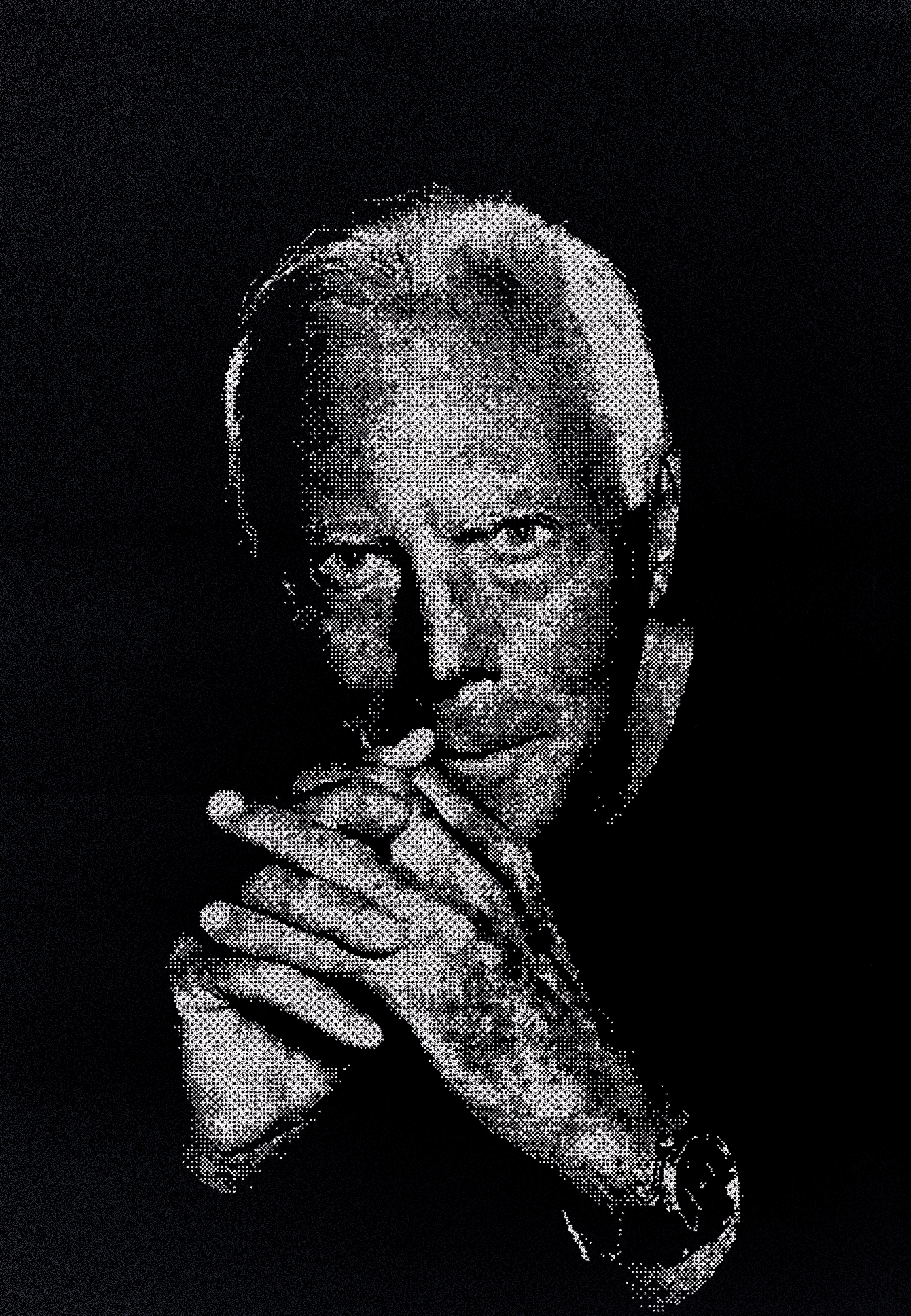
Giorgio Armani never needed football.
But football needed Armani. When he died
in September 2025 at the age of 91, most obituaries stopped at the red carpet and the power suit. But for three decades he’d also been quietly rewiring the game’s image, realising early that the spectacle isn’t only on the pitch; it’s how the game looks, and how its stars present themselves to a devoted global audience of billions.
His foray into football fashion started in 1993, suiting up Piacenza for their Serie A debut – his hometown club suddenly walking out in big-house tailoring. A year later, at USA ’94, Italy’s heroes Maldini, Baresi, Baggio & co exuded a new level of off-pitch elegance in Armani fits. It was an early glimpse of his vision: blend Italian style with national pride and make teams look like winners before a ball is kicked.
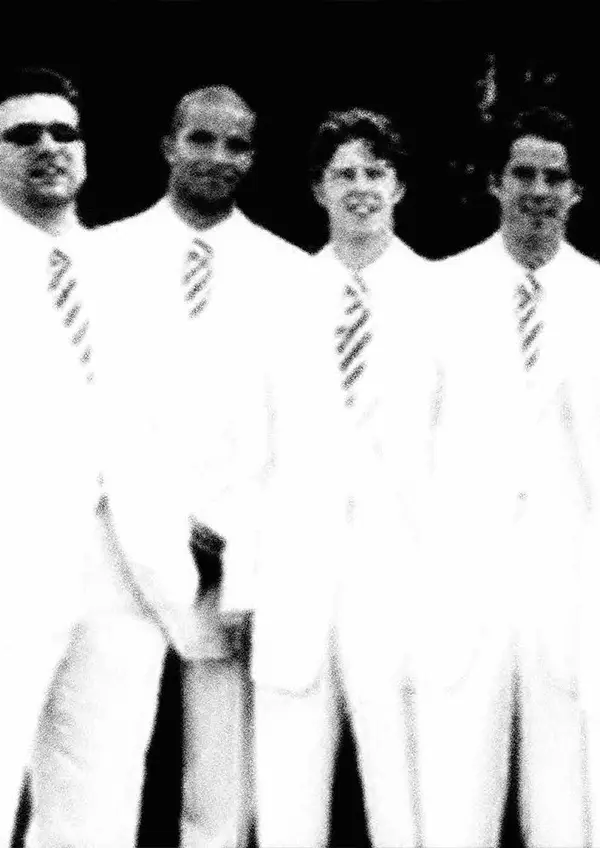
Then came the moment that burned his name into football culture. At the 1996 FA Cup final, Liverpool walked onto Wembley’s turf in matching cream-white Armani suits. The “Spice Boys” outfits were ridiculed after defeat to Manchester United, but love or hate them, those suits proved that what footballers wore could spark as much conversation as the match itself.
From there, he became the designer of choice for clubs and federations who wanted polish with a bit of theatre. He dressed England, Newcastle and Chelsea, and would later return to the Azzurri with a formalwear deal that put Emporio Armani back on Italy’s shoulders at major tournaments.
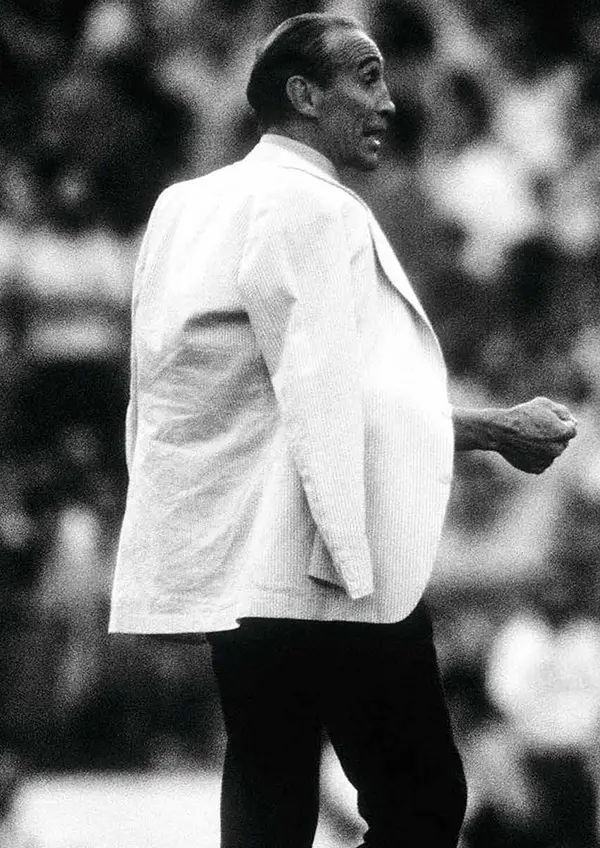
He also turned players into style ambassadors. David Beckham in his Real Madrid years, gliding through airports in airy Armani tailoring, became football’s first truly global style icon: Armani made Beckham look sharper than ever, and Beckham made Armani feel plugged into the new football universe. Cristiano Ronaldo’s Armani underwear campaigns pushed it further, confirming that elite footballers could double as global fashion models.
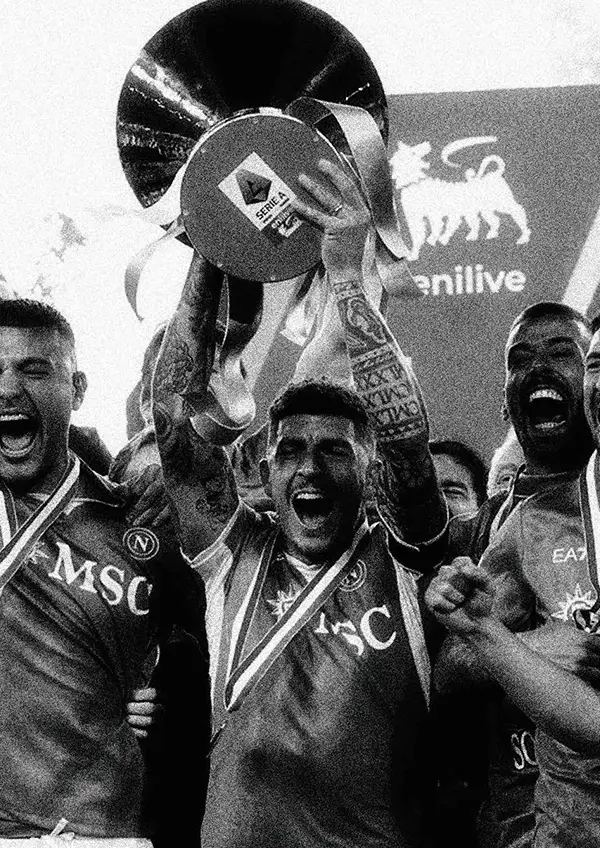
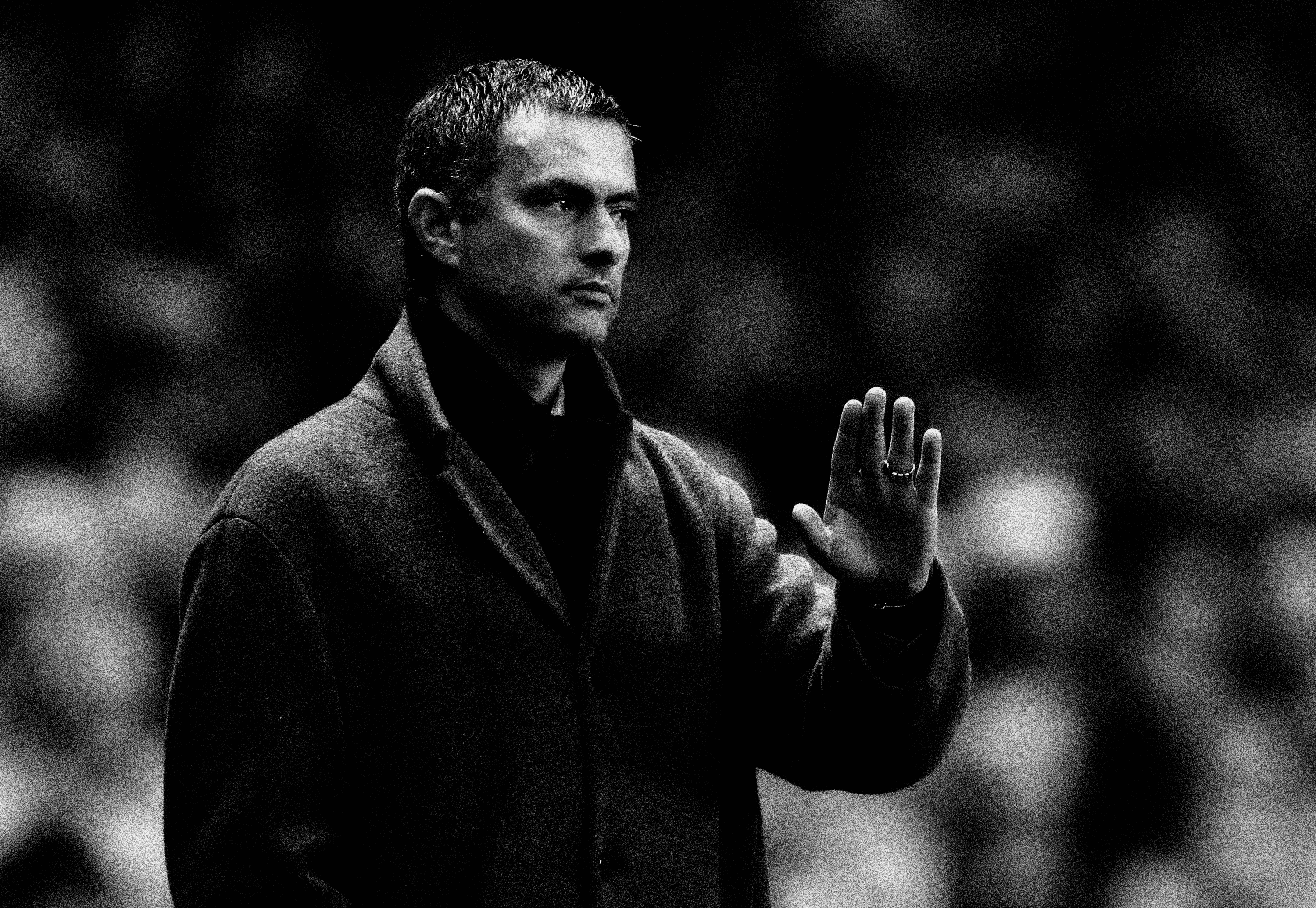
On the touchline, José Mourinho made Armani part of his persona, stalking the Chelsea sidelines in a dark overcoat that later sold for £22 000 at charity auction. When Mourinho led Inter Milan to the treble in 2010, he celebrated in a custom Armani suit - proof that the designer’s clothes could become part of a sporting legend’s image. The most radical expression of this crossover arrived in Naples. In 2021, Napoli became the first top-tier club to have its match kits designed by a true high-fashion house, with EA7 taking over from Kappa.
The most radical expression of this crossover arrived in Naples. In 2021, Napoli became the first top-tier club to have its match kits designed by a true high-fashion house, with EA7 taking over from Kappa.
After a first season of loud, experimental designs and an astonishing 13 different shirts, the last couple of years have looked exactly like what you’d expect from Armani: classy, understated kits with fine detailing.
Italian fashion writer Laura Pacelli noted that the move allowed Armani to “demonstrate that he represents all of Italy, not just the north and Milan”, dragging a Milanese institution into the heart of Naples’ football culture.